


Fall arrives without spectacle. Leaves change quietly. Light softens. The world begins to turn inward. Unlike seasons that ask us to bloom or endure, fall invites us to integrate . This shift can feel deeply familiar. There is a natural resonance with reflection, truth-telling, and discernment—especially after seasons spent carrying, holding, and doing for others.

Emotional neglect is often invisible. There may have been food on the table, routines in place, and expectations met—yet something essential was missing. Attunement. Emotional presence. Being seen and responded to in moments that mattered. Emotional neglect was not intentional. Caregivers were sometimes overwhelmed by their own stress, responsibilities, or survival demands. Still, the nervous system absorbs the absence, even when no one names it.

Busy seasons don’t just fill calendars—they fill nervous systems. Deadlines, caregiving, work, relationships, and constant decision-making can quietly pull us out of our bodies and into survival mode. Staying busy has often been tied to staying safe, useful, or valued. Over time, this can make slowing down feel unfamiliar—or even threatening. Grounding is not about escaping responsibility. It’s about creating enough internal stability to meet life without losing yourself.
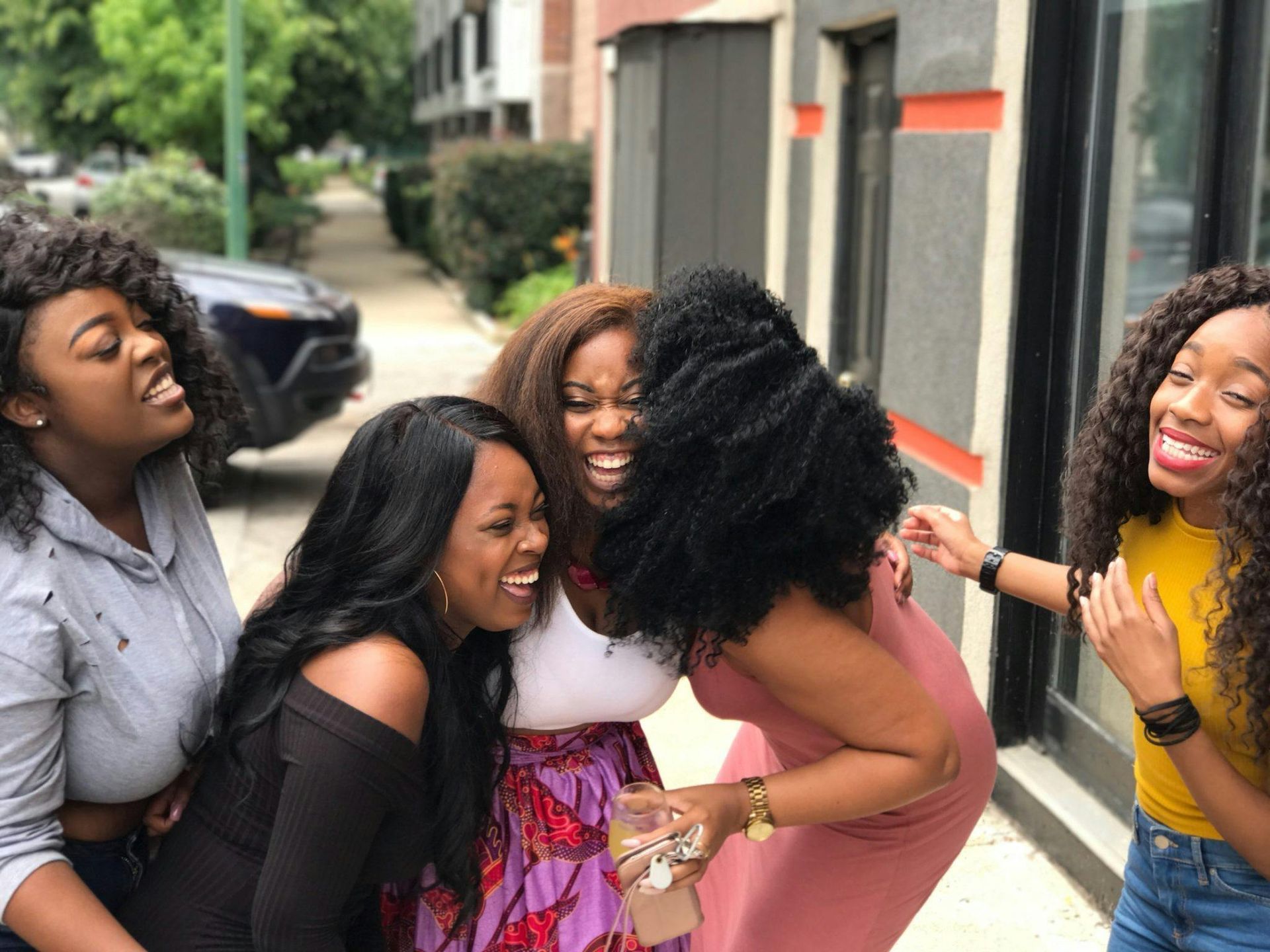
High-energy seasons are often celebrated as joyful, social, and productive. Longer days. Full calendars. More connection. More visibility. Yet for many women of color, these same seasons can quietly activate anxiety, emotional overwhelm, and exhaustion. This response isn’t a personal shortcoming. It’s the nervous system responding to stimulation after long periods of adaptation and survival.

Mindfulness is often misunderstood as a practice of calm or positive thinking. In reality, mindfulness is about relationship—how we relate to our thoughts, emotions, and bodily sensations, especially when they feel uncomfortable. For many, old emotional wounds were formed in environments where feelings had to be managed quietly, quickly, or alone. Mindfulness offers something different. It creates space to notice what’s present without rushing to change it. Healing doesn’t begin with fixing. It begins with awareness.
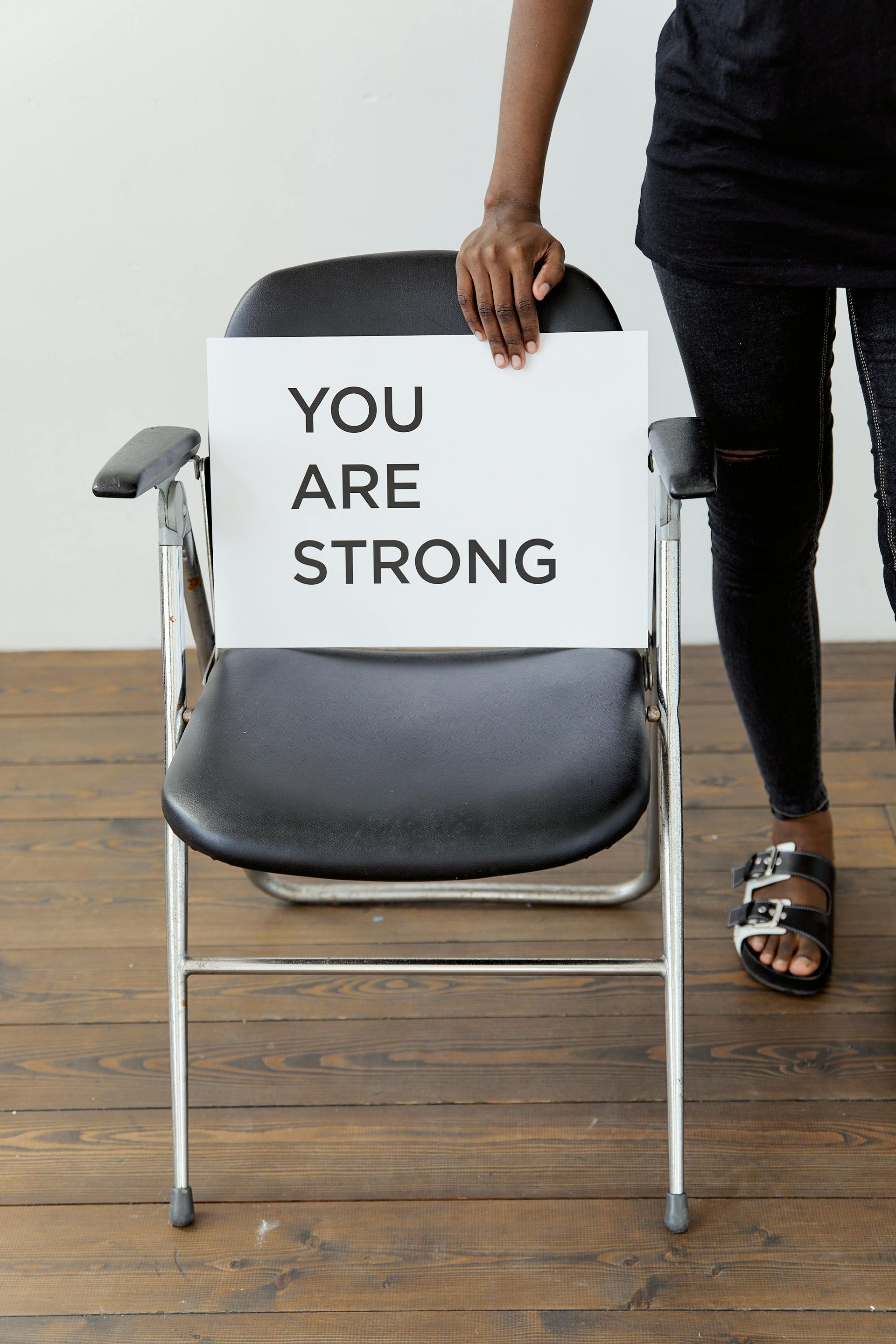
For many women of color, survival wasn’t a phase—it was a requirement. Staying alert. Staying adaptable. Staying strong. These patterns often formed early, shaped by environments where emotional safety was uncertain or inconsistent. Survival mode once served a purpose. It protected you. But when it becomes a long-term state, the body and nervous system can struggle to recognize when it’s safe to soften. Spring is often associated with growth and momentum. Yet for those whose nervous systems are used to bracing, growth can feel destabilizing rather than exciting. This season offers an invitation to shift not through force, but through regulation.
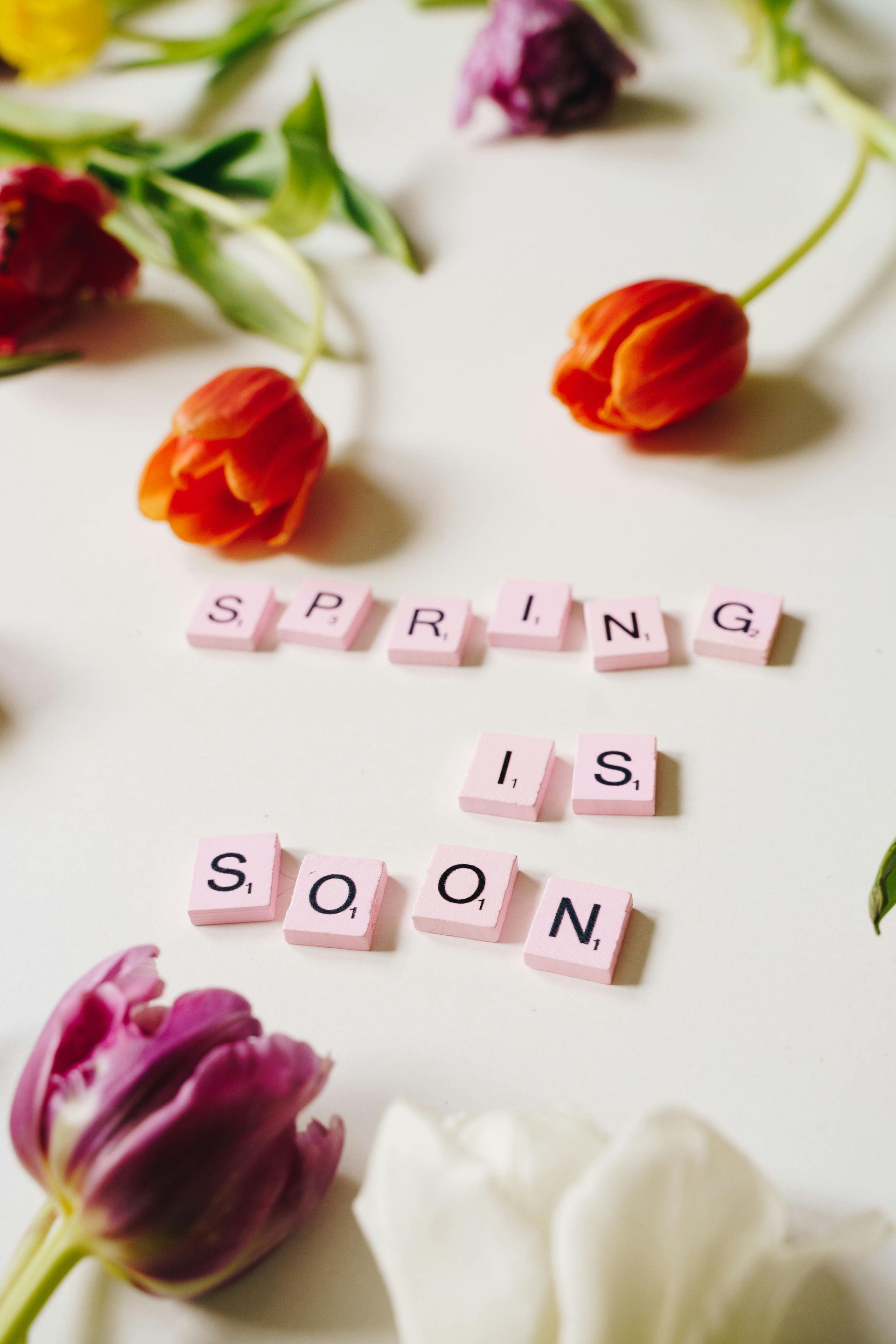
Spring is often framed as a season of productivity and fresh starts. New goals. New habits. New versions of ourselves. But true renewal doesn’t begin with adding more—it begins with letting go. Emotional clutter tends to accumulate quietly over time. It shows up as unspoken expectations, inherited responsibilities, survival strategies learned early, and beliefs formed in moments when safety was uncertain. These patterns don’t disappear just because the season changes. They live in the body, the nervous system, and the way we move through relationships. Spring offers something different than pressure. It offers permission.

Grief is not only about loss through death. It lives in unspoken disappointments, unmet needs, abandoned dreams, and versions of ourselves that never had the chance to emerge. Grief has often been carried quietly—absorbed into responsibility, strength, and forward motion. Emotional release becomes healing when grief is finally allowed space, language, and compassion.